

Quick Summary: The Goal Zero Nomad 20 is a rugged, foldable 20W solar panel built for camping, hiking, and portable backup power. Its 8mm solar connection can supply up to 20W under favorable conditions, while its USB-A port tops out at 10.5W. You get a useful kickstand, a pack-friendly design, and a two-year warranty, but no built-in battery. At a listed price of $149.95, it makes the most sense for buyers who value durability and compatibility with Goal Zero equipment over the lowest price per watt.
A 20W solar panel sounds like a compact charging station—until the clouds roll in, your phone loses its steady input, and the charging time stretches. The Goal Zero Nomad 20 is designed to make portable solar power relatively straightforward, but its real-world usefulness depends on what you're charging and how much sun is available.
This review looks at the Nomad 20's design, published specifications, independent field-test results, practical limitations, and value so you can decide whether it fits your setup.
Portable Design and Everyday Handling
The Nomad 20 folds down to 11.5 × 7.4 × 1.25 inches and weighs approximately 2.28 pounds. Unfolded, it measures 11.5 × 21.75 inches. That's portable enough for a daypack, although it is still a substantial accessory compared with a small power bank. These measurements come from Goal Zero's Nomad 20 specifications.
What Makes Setup Easy
Getting the panel ready takes only a few steps:
- Unfold the three connected solar sections.
- Open the integrated kickstand and face the panel toward the sun.
- Connect a device to the USB-A port, or use the integrated 8mm cable with compatible equipment.
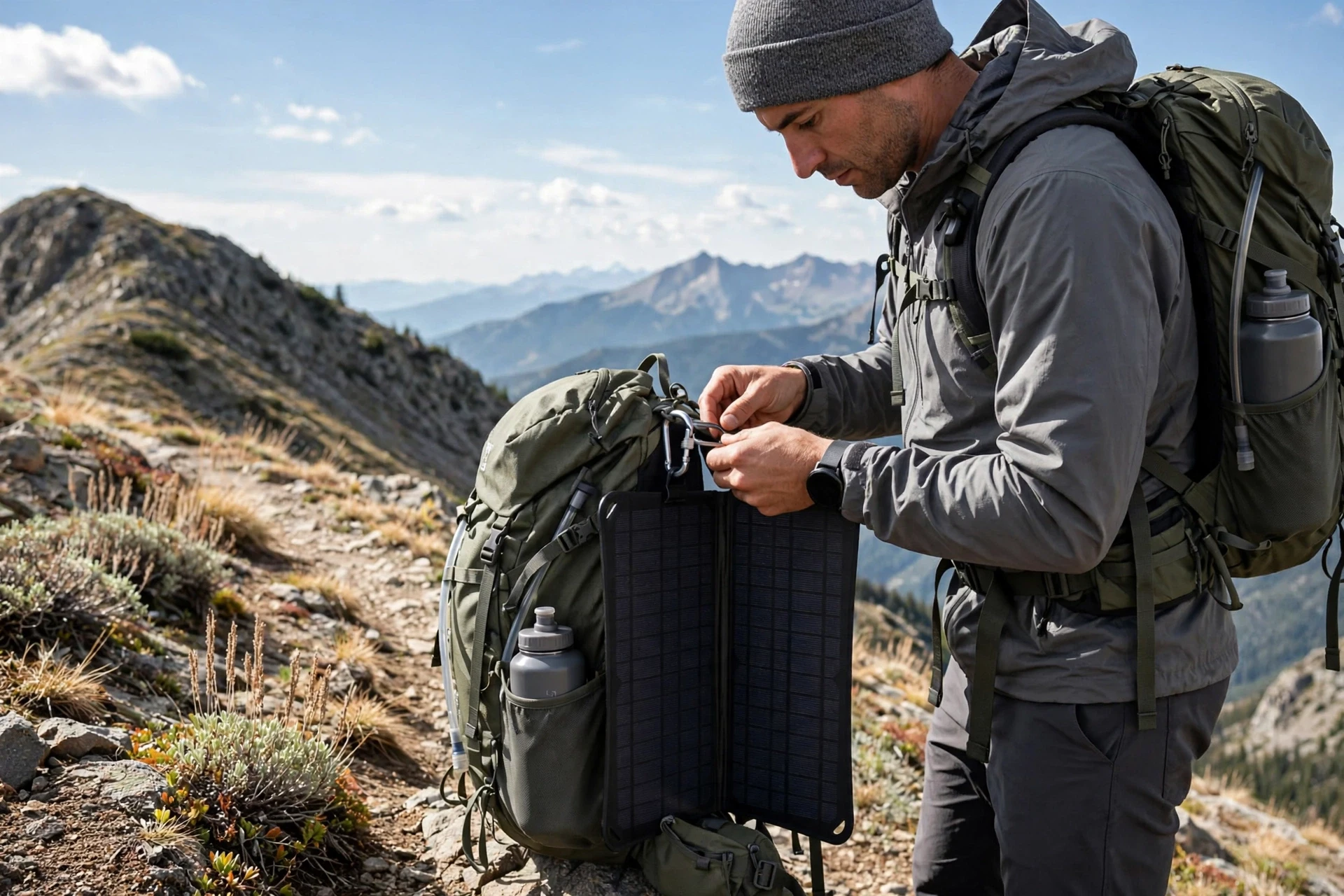
The kickstand supports different positions, and attachment points allow you to secure the panel while traveling. T3's hands-on review also highlights its straightforward setup and sturdy construction.
Where the Rugged Design Costs You
Durable construction adds weight and bulk. The fixed 8mm cable also takes a little care to stow, particularly if you only plan to use the USB port. More importantly, the Nomad 20 does not store electricity. If you need power after sunset or during a long stretch of clouds, you'll need a separate battery or power station.
Charging Performance in Real Use
The Nomad 20 is rated for 20W of solar output; that is a maximum panel rating, not a promise of constant charging power. Output depends on sunlight, panel angle, temperature, and the demands of the connected device. The Nomad 50's higher-wattage results should not be used to describe how the Nomad 20 performs.
USB-A Charging vs. the 8mm Solar Connection
The built-in USB-A port is rated at 5V, up to 2.1A (10.5W maximum), which is suitable for many phones, lights, and smaller USB devices but is not comparable to today's fastest USB-C wall chargers. The separate 8mm solar connection is rated for up to 20W into compatible charging equipment.
In T3's independent field test, an iPhone 13 Pro needed roughly three hours of strong sunlight to recharge, while a 20,000mAh power bank took about 12 hours in mixed conditions. Those are T3's reported results, not controlled DPS measurements, and your charging times may differ.
Why Sunlight Changes the Results
Cloud cover, shade, and poor positioning can sharply reduce solar output. Phones may pause or restart charging when their power source becomes unstable. Connecting the panel to a compatible power bank first is often a more practical way to collect energy while the sun is available and use it later.
Three habits can improve the experience:
- Reposition the panel as the sun moves so the cells face the strongest available light.
- Charge a battery first when you expect intermittent sun or need reliable power later.
- Avoid partial shade from trees, equipment, and backpack straps, even on bright days.
Bottom line: The 8mm connection is the better match for a compatible Goal Zero power station or solar-ready battery. Direct USB charging is useful for small devices, but it works best with steady sunlight.
For scale, Goal Zero estimates that a Nomad 20 can recharge a compatible Yeti 500X in approximately 29–58 hours of solar charging, depending on conditions—not four hours. Larger batteries demand more panel capacity and more sunlight.
Pros and Cons for Solar Gear Buyers
The Nomad 20's appeal is less about headline wattage and more about dependable construction, portability, and its place in the Goal Zero ecosystem. Here is where it succeeds—and where it falls short.
Pros
- Rugged design: Built for outdoor handling and repeated travel.
- Easy positioning: Integrated adjustable kickstand.
- Flexible connections: USB-A and an 8mm solar connection.
- Ecosystem compatibility: Useful with supported Goal Zero devices.
- Warranty: Two years for Goal Zero-branded solar panels.
Cons
- Higher cost: $149.95 listed price for a 20W panel.
- Modest USB output: USB-A tops out at 10.5W.
- No built-in battery: No stored power for use after sunset.
- Weather dependency: Output fluctuates with sunlight.
- Extra cable to manage: Integrated 8mm lead is not removable.
| Factor | Goal Zero Nomad 20 | What to Compare When Shopping |
|---|---|---|
| Rated solar output | 20W | Compare the actual rated wattage of each alternative. |
| USB output | USB-A, up to 10.5W | Check USB power ratings—not just the solar panel's wattage. |
| Built-in storage | None | Some competing systems integrate a battery; many do not. |
| Construction | Rugged folding design and kickstand | Look for durable hinges, fabric, connections, and support. |
| Warranty | 2 years | Check each manufacturer's coverage and exclusions. |
| Manufacturer's listed price | $149.95 (subject to change) | Compare total system cost, including any needed battery. |
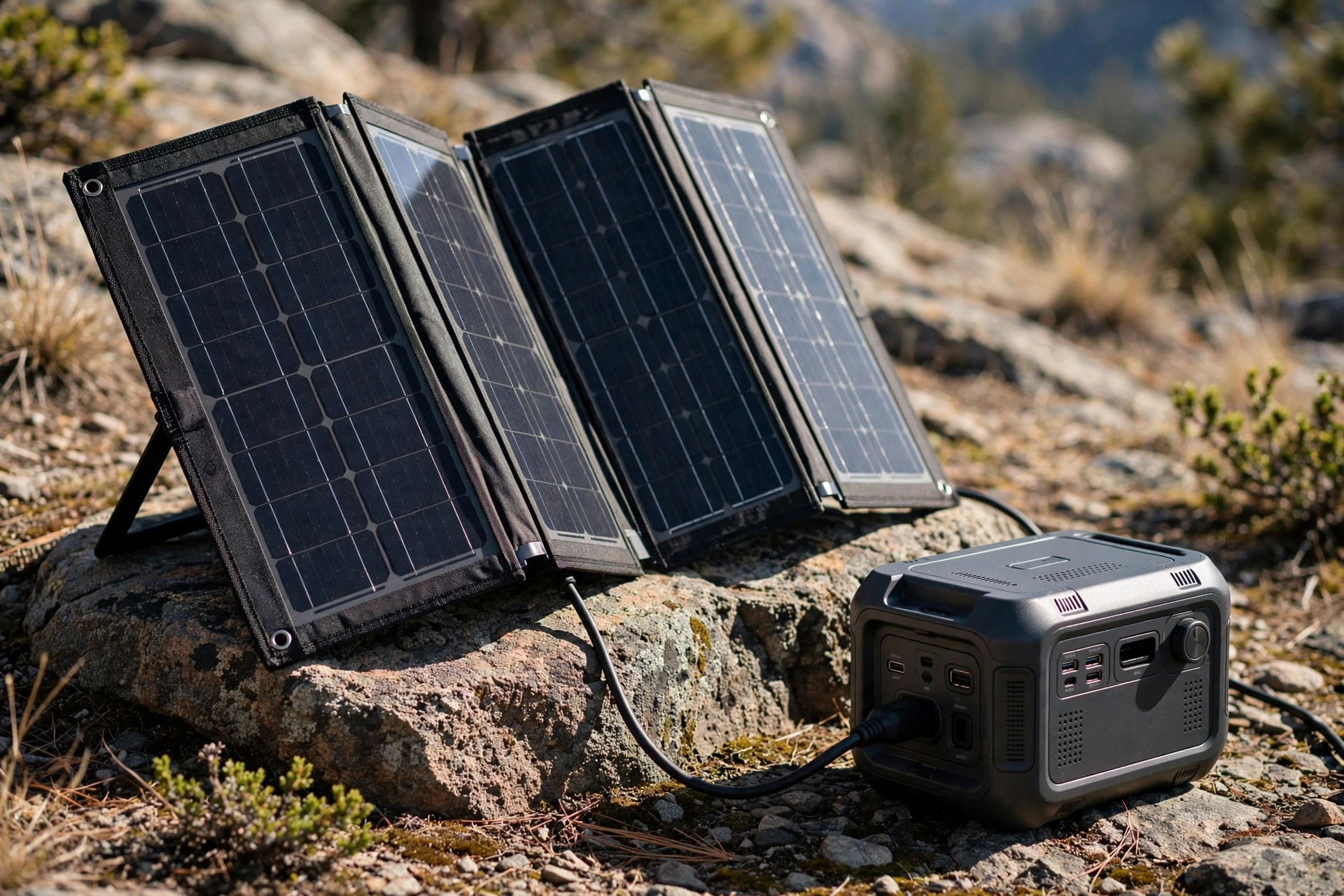
For buyers prioritizing a sturdy, easy-to-position panel, Goal Zero offers a strong feature set. For buyers whose main priority is maximum watts per dollar, it is worth comparing alternatives before purchasing.
Is the Goal Zero Nomad 20 Worth It?
Yes, for the right buyer. The Nomad 20 offers a practical mix of rugged construction, foldability, adjustable positioning, and compatibility with select Goal Zero power equipment. Goal Zero currently lists it at $149.95 with a two-year warranty, making it a premium-priced option in the 20W category.
The limitation is simple: a 20W solar rating does not mean 20W of USB charging. The USB port is limited to 10.5W, and there is no built-in battery to keep devices running when the sunlight disappears.
Worth considering if: you camp regularly, value long-term portability and durability, or already own compatible Goal Zero equipment.
Consider alternatives if: you mainly need inexpensive phone charging, fast USB-C charging, or a compact battery you can use anytime. A suitably sized power bank, charged from an outlet before your trip, is often the simpler option for short outings.
Frequently Asked Questions
What brands make durable portable solar equipment?
Goal Zero has a strong reputation for rugged portable solar products. Other brands offer competing options, but compare construction, USB output, connectors, warranty terms, and independent field testing rather than choosing on brand name alone.
How long does a Goal Zero Nomad 20 take to charge a phone?
Charging time depends on the phone, remaining battery level, sunlight, and positioning. In T3's field test, an iPhone 13 Pro took roughly three hours in strong sunlight. Expect longer times when conditions are inconsistent.
Can solar chargers work through a window?
Sometimes, but usually with reduced output. Window glass, reflections, tinting, and panel angle can reduce the usable sunlight. The cells primarily use visible light, so the issue is not simply that glass blocks UV. Outdoor placement in direct sunlight is generally more effective.
Is the Goal Zero Nomad 20 weatherproof?
Goal Zero says its Nomad solar panels can withstand outdoor weather, including rain. However, the fabric enclosure can wear if left outside permanently. Protect any attached phone, battery, power station, and exposed connectors from moisture, and do not submerge the panel.
Can the Nomad 20 charge a Goal Zero Yeti power station?
Yes, with compatible models using the panel's 8mm solar connection. Because it is a 20W panel, larger power stations may take many hours or several days of usable sun. Goal Zero estimates approximately 29–58 hours for a Yeti 500X under varying conditions.
Does the Nomad 20 store solar energy for later?
No. It generates power when illuminated but does not contain a battery. Connect a compatible power bank or portable power station if you want to save energy for nighttime or cloudy periods.
Conclusion
The Goal Zero Nomad 20 combines a rugged folding design, an adjustable stand, and useful solar connectivity. Its rated 20W output makes sense for smaller devices and gradual battery replenishment, but its 10.5W USB limit, reliance on steady sunlight, and premium pricing are important tradeoffs.
For frequent outdoor use—especially alongside compatible Goal Zero equipment—it can be a worthwhile addition. For reliable day-to-day charging, a tested wall charger, charging cable, and power bank will often deliver more predictable results.
Build a charging setup you can rely on. Explore chargers, power banks, and cables at Dynamic Power Supply, where practical performance and safe charging matter.
Specifications and price referenced from Goal Zero's product information, checked October 2026. Independent charging results are attributed to T3; actual results vary with conditions. Illustrative images do not necessarily depict the exact product.